

How Cosmetic Dentistry In Huntington Beach Can Instantly Enhance Your Smile?
A consultation begins with a full diagnostic review rather than a discussion about appearance. Bone height, gum attachment, enamel thickness, and pulp response are examined because these biological factors determine how much tooth structure can be modified safely. In many cases, patients seeking cosmetic dentistry near you are primarily concerned about appearance, yet structural stability and tissue health must be evaluated before any enamel is reshaped or restored. Radiographs are reviewed to understand root position and surrounding bone density. If decay, infection, or active periodontal inflammation is present, those conditions are addressed first to reduce complications during healing. Any cosmetic change must be built on stable tissue and controlled occlusion.
What Is Cosmetic Dentistry and How It Transforms Your Smile?
Cosmetic dentistry focuses on altering tooth shape, position, or surface characteristics while maintaining structural and biological integrity. Bite force plays a central role in planning. Uneven pressure can create enamel fracture, marginal leakage, or bone stress over time. For that reason, occlusal contact patterns are carefully mapped before altering anatomy.
Clinical review typically includes:
- Measuring bone levels around each root
- Recording pocket depths within the gum tissue
- Inspecting wear facets and alignment
- Checking for mobility or shifting
Reduced bone support may limit elective reshaping or veneer placement. In some situations, periodontal therapy or bite adjustment is completed first to stabilize the foundation. Decisions are guided by structural findings rather than cosmetic preference alone.
Common Cosmetic Dental Procedures: Veneers, Bonding, and Crowns
Veneers require controlled enamel reduction to create adequate space without overcontouring the tooth. Bonding strength is more predictable on enamel than dentin, so preparation design focuses on preserving enamel whenever possible. If dentin exposure is unavoidable or pulpal symptoms are present, a full-coverage restoration may be more appropriate. After preparation, impressions are taken, and provisional restorations protect the tooth while the gum tissue response is observed.
Direct bonding involves isolating the tooth, conditioning the surface, placing composite resin in increments, shaping anatomy, and curing each layer carefully to limit polymerization shrinkage and marginal gaps.
Crowns are recommended when structural damage extends into dentin. The tooth is circumferentially reshaped for retention, margins are positioned to support periodontal health, and pulpal involvement is evaluated before final placement.
How Teeth Whitening Can Provide a Dramatic Smile Makeover?
Whitening agents diffuse through enamel and react chemically with chromogenic compounds, resulting in a lighter tooth shade. The degree of change varies based on enamel thickness, dentin coloration, and the presence of restorations. Sensitivity may develop if peroxide reaches the pulp, where nerve fibres respond to chemical irritation.
Teeth are examined for cracks, exposed root surfaces, and defective margins before treatment begins. A recession that exposes cementum may increase the risk, requiring modification of concentration or duration. Since crowns and composite materials do not lighten, shade coordination is discussed in advance to avoid a mismatch. Soft tissue barriers are applied during in-office whitening to reduce chemical contact with the gingiva. Follow-up visits allow monitoring of the enamel condition and pulpal response.
Clinical Considerations for Dental Implants in Restoring Function and Structural Stability
Dental implant therapy replaces missing tooth structure by anchoring a titanium fixture within the alveolar bone. Three-dimensional imaging provides information about bone width, height, and density because primary stability depends on these factors. If bone volume is inadequate, grafting procedures may be recommended before placement.
The treatment sequence generally includes:
- Removal of non-restorable remnants
- Preparation of the osteotomy site under sterile irrigation
- Placement of the implant with controlled torque
- A healing interval for osseointegration
- Attachment of the final crown after stability testing
Osseointegration involves coordinated bone remodeling at the implant surface rather than simple mechanical retention. Healing duration varies depending on bone quality, systemic health, and local tissue response. The surgical site is monitored for swelling, infection, or early mobility during follow-up appointments.
Achieving a Balanced Smile with Invisalign and Clear Aligners
Clear aligners apply calibrated mechanical force to teeth, creating areas of pressure and tension within the periodontal ligament. That stimulus triggers localized bone resorption and deposition, allowing gradual movement. Reduced bone height may increase mobility risk during treatment, so the periodontal status is reviewed carefully before initiating therapy.
Digital scans are analyzed to study root angulation, crowding patterns, and bite relationships. If roots approach cortical boundaries, movement plans are modified to preserve bone housing. Small composite attachments may be bonded temporarily to improve rotational control and force direction.
Individuals seeking guidance from a dentist in Huntington Beach, CA, often ask whether aligners alone can correct misalignment. Suitability depends on skeletal balance, spacing availability, and tissue health. In selected cases, minor enamel reduction between teeth may create necessary space while maintaining structural safety.
The Benefits of Choosing Cosmetic Dentistry for Confidence and Self-Esteem
Functional correction often accompanies aesthetic change. Balanced occlusion distributes chewing forces more evenly, reducing localized stress on enamel and supporting bone. Replacing missing teeth may limit adjacent tooth migration, which helps maintain periodontal stability.
Long-term maintenance remains essential. Restorations can wear, margins may stain, and gum tissue may recede over time, depending on hygiene and biological variability. Periodic examinations allow monitoring of bone levels, occlusal contact, and tissue adaptation. Outcomes depend on structural integrity and consistent care rather than short-term appearance alone.
Ready for a Smile Makeover? Schedule Your Cosmetic Dentistry Consultation in Huntington Beach Today
A comprehensive consultation includes radiographic interpretation, periodontal measurements, occlusal analysis, and review of restorative history. Treatment sequencing is organized to protect bone support, pulp vitality, and soft tissue health before cosmetic modification is finalized.
At Seascape Cosmetic and Implant Dentistry, planning within a cosmetic dental clinic setting centers on diagnostic findings, risk evaluation, and structured follow-up. Clinical decisions are based on measurable tissue conditions and expected healing response, with careful coordination at each phase of care.
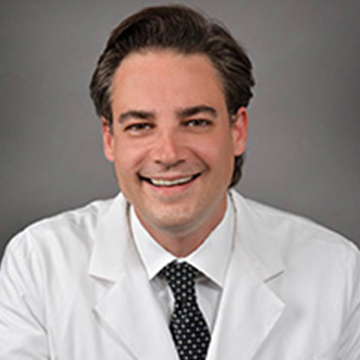
Dr. H. Bronson Bassir, DDS
Dr. Bassir is an experienced dentist specializing in general, cosmetic, and implant dentistry, committed to providing advanced, personalized care.