

Dental Implants in San Clemente: Cost, Healing Time & Aftercare
Losing a tooth is frustrating enough. Then you start exploring replacements, and another surprise appears: the price.
Dental implants seem like a promising option, until you start wondering about the cost and recovery. Great. But why does one person finish treatment in a few months while another waits nearly a year?
And what happens after surgery?
If you’re considering dental implants in San Clemente, understanding the costs, healing stages, and daily precautions can make treatment decisions easier.
Here’s what you should know before scheduling your first appointment.
Understanding Dental Implants and How They Replace Missing Teeth
A dental implant uses a small post inserted into the jawbone to provide a stable foundation for a replacement tooth.
To replace a missing tooth, dentists typically use a titanium implant post for support, an abutment to attach the restoration, and a custom-fitted crown that completes the replacement tooth.
Unlike traditional bridges, implants generally don’t require preparing neighboring healthy teeth.
However, suitable candidates need adequate bone support, manageable health conditions, and healthy surrounding tissues.
How Much Do Dental Implants Cost in San Clemente, CA?
Whether you need one replacement tooth or a complete set, the dental implant cost can differ depending on the extent of treatment.
Cost of a Single Tooth Dental Implant
A complete single-tooth implant commonly costs about $3,000 to $6,000 nationally, including placement, the connector, and the crown.
These are general estimates, not confirmed local fees. Additional procedures may increase the total.
Cost of Multiple Dental Implants
Several missing teeth don’t always require individual posts.
An implant-supported bridge may replace multiple adjacent teeth using fewer implants. Full-arch restorations involve different designs and higher costs.
Your dentist determines the appropriate configuration after examining your mouth.
Factors That Affect Dental Implant Treatment Costs
Important considerations include:
- Number and position of missing teeth
- Jawbone density and available support
- Bone grafting or tooth extraction requirements
- Imaging, surgical complexity, and restoration materials
Ask whether your estimate includes scans, temporary restorations, the final crown, and follow-up appointments.
Dental Insurance Coverage and Financing Options
Insurance may cover certain treatment components, although benefits vary considerably.
Check annual maximums, waiting periods, exclusions, and preauthorization requirements.
Payment plans or third-party financing may also be available, subject to eligibility.
How Does the Dental Implant Process Work?
A typical tooth implant treatment follows several stages:
- Consultation: Your dentist evaluates gum health, bone availability, and medical history using appropriate imaging.
- Preparation: Damaged teeth may require extraction, and inadequate bone may require grafting.
- Placement: Under local anesthesia, the implant is positioned within the jawbone.
- Healing: Bone gradually integrates with the post.
- Restoration: A custom crown, bridge, or denture is attached when appropriate.
Some patients receive temporary teeth sooner, but immediate placement or loading isn’t suitable for everyone.
How Long Does It Take for Dental Implants to Heal?
How much time does your mouth need to heal after getting dental implants?
Gum tissue commonly recovers within one to two weeks. Deeper bone integration generally requires several months.
First 24–48 Hours After Implant Surgery
Mild bleeding, tenderness, and swelling are expected.
Rest, follow prescribed instructions, and use a wrapped cold compress as directed.
Avoid disturbing the surgical site.
Days 3–7: Managing Swelling and Initial Recovery
Swelling often peaks during the first few days before improving.
Take medications as directed and choose soft foods that won’t put pressure on the surgical area.
Weeks 2–4: Gum Healing and Returning to Normal Activities
Most initial gum healing should be underway.
Many patients resume routine activities earlier, although strenuous exercise and chewing restrictions depend on surgical complexity.
Months 3–6: Jawbone Healing and Osseointegration
During osseointegration, surrounding bone develops a stable connection with the implant.
This stage often takes three to six months, and longer if additional procedures are needed.
Your dentist confirms readiness before placing the final restoration.
Essential Dental Implant Aftercare Tips for a Smooth Recovery
Good dental implant aftercare protects the surgical site while surrounding tissues recover.
Maintaining Oral Hygiene Around the Implant Site
Brush unaffected teeth normally. Clean near the surgical area only as instructed.
Use prescribed mouth rinses when recommended, and avoid aggressive brushing around fresh stitches.
Foods to Eat and Avoid During Healing
Choose soft, lukewarm options such as scrambled eggs, yogurt, mashed potatoes, and oatmeal.
Avoid hard, crunchy, sticky, or excessively hot foods during early recovery.
Activities and Habits to Avoid After Implant Surgery
Avoid smoking, vaping, strenuous exercise immediately after surgery, and chewing directly over the treated area.
Follow your dentist’s specific restrictions before resuming regular activities.
Signs of Normal Dental Implant Healing vs. Possible Complications
Mild soreness, temporary swelling, and light blood-tinged saliva may occur initially.
However, contact your dentist promptly if you notice:
- Pain or swelling that worsens instead of improving
- Persistent bleeding or pus
- Fever or an unpleasant discharge
- An implant that feels loose
- New or persistent numbness
Severe facial swelling accompanied by breathing or swallowing difficulty requires emergency medical attention.
Factors That Can Affect Dental Implant Healing Time
Recovery isn’t identical for everyone.
Smoking, uncontrolled diabetes, periodontal disease, poor oral hygiene, and inadequate bone support may complicate healing.
Smoking deserves particular attention during recovery. In 2024, researchers analyzed 32 studies involving over 59,000 dental implants, publishing their findings in the Journal of Dentistry. The findings showed that smokers had a significantly greater risk of early dental implant failure than nonsmokers. This doesn’t mean every smoker will experience complications. However, discussing tobacco use before surgery can help your dentist assess risks and recommend appropriate precautions.
Additional grafting can also extend treatment.
For patients considering South Orange County dental implants, a complete health assessment helps establish a realistic timeline.
How to Care for Your Dental Implants for Years to Come
Implants cannot develop cavities, but the surrounding gums and bone remain vulnerable to inflammation.
Advanced inflammation with supporting bone loss is called peri-implantitis.
Even after an implant has healed, regular dental visits remain important. A 2026 systematic review published in the Journal of the American Dental Association examined 25 studies on supportive implant care. Researchers found that professional maintenance, particularly when appointments were tailored to individual risk factors, was associated with better gum health around implants. These visits allow dentists to monitor inflammation, assess surrounding tissues, and address concerns before further damage develops.
Protect your restoration by:
- Brushing twice daily with a soft toothbrush
- Cleaning between teeth and around implant restorations
- Attending regular examinations and professional cleanings
- Reporting bleeding, discomfort, or movement promptly
Avoid biting ice, opening packages with your teeth, or chewing other hard objects that could damage the restoration. A dentist may recommend a night guard if you grind your teeth.
Get Personalized Dental Implant Care in San Clemente, CA
Replacing missing teeth involves more than selecting a restoration. Knowing what to expect financially, following recovery instructions, and keeping your gums healthy can help you care for your new tooth.
At Seascape Cosmetic and Implant Dentistry, patients can discuss their options at 675 Camino De Los Mares, Suite 304, San Clemente, CA 92673. Call 949-496-5001 to schedule a consultation and explore an appropriate treatment plan.
Frequently Asked Questions About Dental Implants
Local anesthesia controls discomfort during placement. Temporary soreness afterward is common and can usually be managed with recommended medication.
Many patients return within a day or two. More complex procedures or sedation may require additional recovery time.
An implant vs. bridge decision depends on bone health, neighboring teeth, treatment duration, and budget. Neither option suits everyone.
With proper maintenance, implants can function for many years. However, complications may occur, and crowns sometimes need replacement.
Medical References
- American Dental Association (ADA). Dental Implants. MouthHealthy. Explains dental implant components, treatment procedures, benefits, and long-term care. https://www.mouthhealthy.org/all-topics-a-z/implants
- U.S. Food and Drug Administration (FDA). Dental Implants: What You Should Know. Covers implant placement, osseointegration, potential complications, and maintenance. https://www.fda.gov/medical-devices/dental-devices/dental-implants-what-you-should-know
- Fan, Y. Y., Li, S., Cai, Y. J., Wei, T., & Ye, P. (2024). Smoking in relation to early dental implant failure: A systematic review and meta-analysis. Journal of Dentistry, 151, 105396. https://doi.org/10.1016/j.jdent.2024.105396
- Mojaver, S., Zad, A., Sarmiento, H., & Fiorellini, J. P. (2026). Efficacy of supportive peri-implant therapy in the management of peri-implant mucositis and peri-implantitis: A systematic review. Journal of the American Dental Association, 157(2), 141–152.e4. https://doi.org/10.1016/j.adaj.2025.08.015
- American Academy of Periodontology (AAP). Peri-Implant Diseases. Discusses peri-implant mucositis, peri-implantitis, risk factors, and the importance of preventive care. https://www.perio.org/for-patients/periodontal-treatments-and-procedures/dental-implant-procedures/peri-implant-diseases/
- Guy’s and St Thomas’ NHS Foundation Trust. After Having a Dental Implant. Provides postoperative guidance on discomfort, swelling, oral hygiene, and recovery. https://www.guysandstthomas.nhs.uk/health-information/dental-implants/after-having-dental-implant
- Leeds Teaching Hospitals NHS Trust. Dental Implants. Explains treatment planning, implant placement, healing, and restoration. https://www.leedsth.nhs.uk/patients/resources/dental-implants/
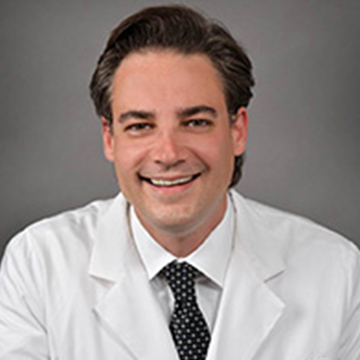
Dr. H. Bronson Bassir, DDS
Dr. Bassir is an experienced dentist specializing in general, cosmetic, and implant dentistry, committed to providing advanced, personalized care.